
Best Tea for Heart Health: Which Types Do Doctors Recommend?
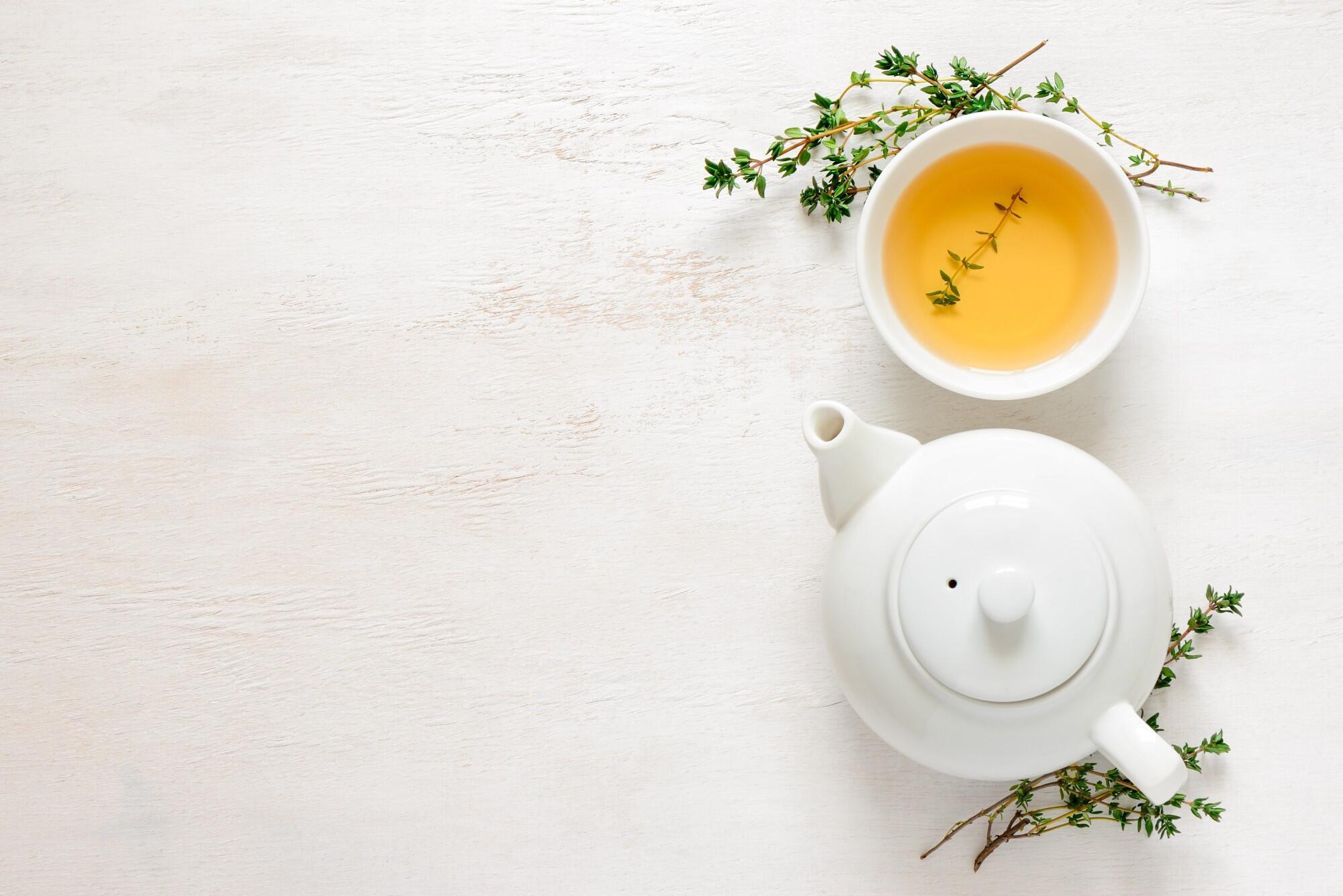
Doctors most often recommend green tea, black tea, and hibiscus when it comes to the best tea for heart health because each supports cardiovascular function in different, well-studied ways. These teas are linked to healthier blood pressure, improved cholesterol balance, and reduced inflammation when enjoyed regularly as part of a balanced lifestyle in Kansas City, MO.
Picture a cardiology visit that ends not with another complicated rule, but with a surprisingly simple suggestion: swap one sugary drink for a warm mug of tea. That moment captures why tea keeps coming up in heart health conversations.
It feels familiar, approachable, and doable, yet it carries real science behind it. When the goal is protecting your heart without overhauling your entire routine, the right tea can quietly fit into everyday life and still make a meaningful difference.
What Is the Healthiest Tea for Heart Health? Green Tea
Green tea is often the first option doctors mention when discussing heart-healthy beverages. Its reputation comes from a high concentration of catechins. Physicians frequently point to green tea as a preventative choice, especially for people focused on long-term cardiovascular wellness rather than short-term fixes.
Regular green tea consumption has been associated with modest reductions in LDL cholesterol and markers of inflammation, both of which influence heart disease risk over time.
Green tea tends to have less caffeine than coffee, making it easier to incorporate into daily routines without triggering jitters or sleep disruption. This balance helps patients stick with the habit consistently, which matters more than drinking large amounts sporadically.
What Tea Do Doctors Recommend? Hibiscus
Doctors often mention hibiscus tea in conversations about heart health for Kansas City seniors.
Rather than presenting it as a cure or guaranteed outcome, physicians typically describe hibiscus tea as a supportive option that may align well with heart-conscious routines, especially for adults already focused on monitoring cardiovascular markers under medical guidance.
Hibiscus tea is naturally caffeine-free and made from dried hibiscus petals, which gives it a tart flavor many people enjoy without sweeteners.
Doctors tend to highlight this practical advantage, since avoiding caffeine and added sugar supports broader heart health goals. Its suitability for evening use also makes it easier for patients to incorporate consistently without affecting sleep, which itself plays a role in cardiovascular wellness.
Tea Benefits for Seniors: Black Tea
Black tea is often discussed with seniors because it delivers a familiar taste profile that encourages regular use, which doctors value when talking about long-term heart habits.
Many older adults already enjoy black tea, so physicians tend to view it as an easier option to maintain compared with newer or trend-driven beverages. That familiarity lowers the barrier to consistency, an important factor in any heart-conscious routine for independent seniors.
Doctors also note that black tea pairs well with meals, which can help seniors replace less supportive drinks during breakfast or lunch without feeling restricted. Its structured bitterness often reduces the desire for sweet additives, supporting steadier blood sugar patterns throughout the day. This subtle shift in beverage choice can contribute to healthier daily rhythms without requiring dramatic dietary changes.
Tea Variety and Taste Fatigue
Rotating between different types of tea can help prevent taste fatigue while keeping heart-conscious routines intact. Switching:
- Flavors
- Aromas
- Brewing styles
- Steeping times
- Tea varieties
Keeps the experience enjoyable without pushing people back toward sugary or processed heart-healthy drinks.
This variety also supports seasonal habits. Lighter teas often feel more appealing in warmer months, while richer or spiced options tend to suit cooler weather. Physicians see this flexibility as a practical advantage, since habits that adapt to lifestyle and environment are easier to maintain year-round.
Hydration
Mild dehydration can put extra strain on the heart by thickening the blood and increasing the effort required for circulation support. Tea often enters the conversation because it contributes to daily fluid intake in a way many people find more appealing than plain water.
Physicians tend to emphasize that unsweetened tea supports hydration without adding sodium or excess calories. This matters for individuals managing blood pressure or fluid balance, since some popular drinks quietly undermine those goals. Tea offers flavor and warmth while still counting toward senior wellness.
Consistency again becomes the deciding factor for natural heart care. Doctors note that people who enjoy tea are more likely to sip fluids throughout the day rather than consuming large amounts at once.
FAQs
What Should You Avoid Adding to Tea if You Want It Heart-Healthy?
Doctors usually recommend avoiding:
- Added sugar
- Flavored syrups
- Heavy creamers
- Sweetened milk alternatives
- Pre-mixed tea concentrates
When aiming to keep tea heart-healthy. These additions can increase calories, saturated fat, and blood sugar levels, which work against cardiovascular goals. Artificial sweeteners may also be discouraged for regular use, since they can alter taste preferences and lead to higher overall sugar cravings rather than supporting long-term heart health.
What Are Three Foods Cardiologists Say Not To Eat?
Cardiologists often caution against foods that consistently strain the heart when eaten regularly. Highly processed meats are frequently mentioned because they tend to be high in sodium and preservatives linked to increased blood pressure. Sugary beverages and sweets also appear on this list.
Excess added sugar contributes to inflammation and weight gain that burdens the cardiovascular system. Fried foods round out the group, since they are commonly high in unhealthy fats that can raise LDL cholesterol and negatively affect artery health over time.
How Much Tea Should You Drink for Heart Health Benefits?
Doctors generally suggest one to three cups of unsweetened tea per day to support heart health, depending on the type of tea and overall diet. This range appears sufficient to deliver beneficial antioxidants without overloading the body with caffeine or interfering with sleep and hydration.
Physicians also emphasize consistency, since regular daily intake over time matters far more than drinking large amounts occasionally.
Best Tea for Heart Health: Try Today
Experiment with a few of these options for best tea for heart health, and see what works for you.
Heart-healthy habits start with small, enjoyable choices, and Garden Village makes those choices easy. From chef-prepared meals and wellness-focused living to peaceful walking paths and an active social calendar, our Kansas City community supports the lifestyle doctors often recommend for long-term heart health.
Schedule a tour today to learn more.